


Leaving your home country and your loved ones behind to work abroad is a story of profound sacrifice and complex consequences.
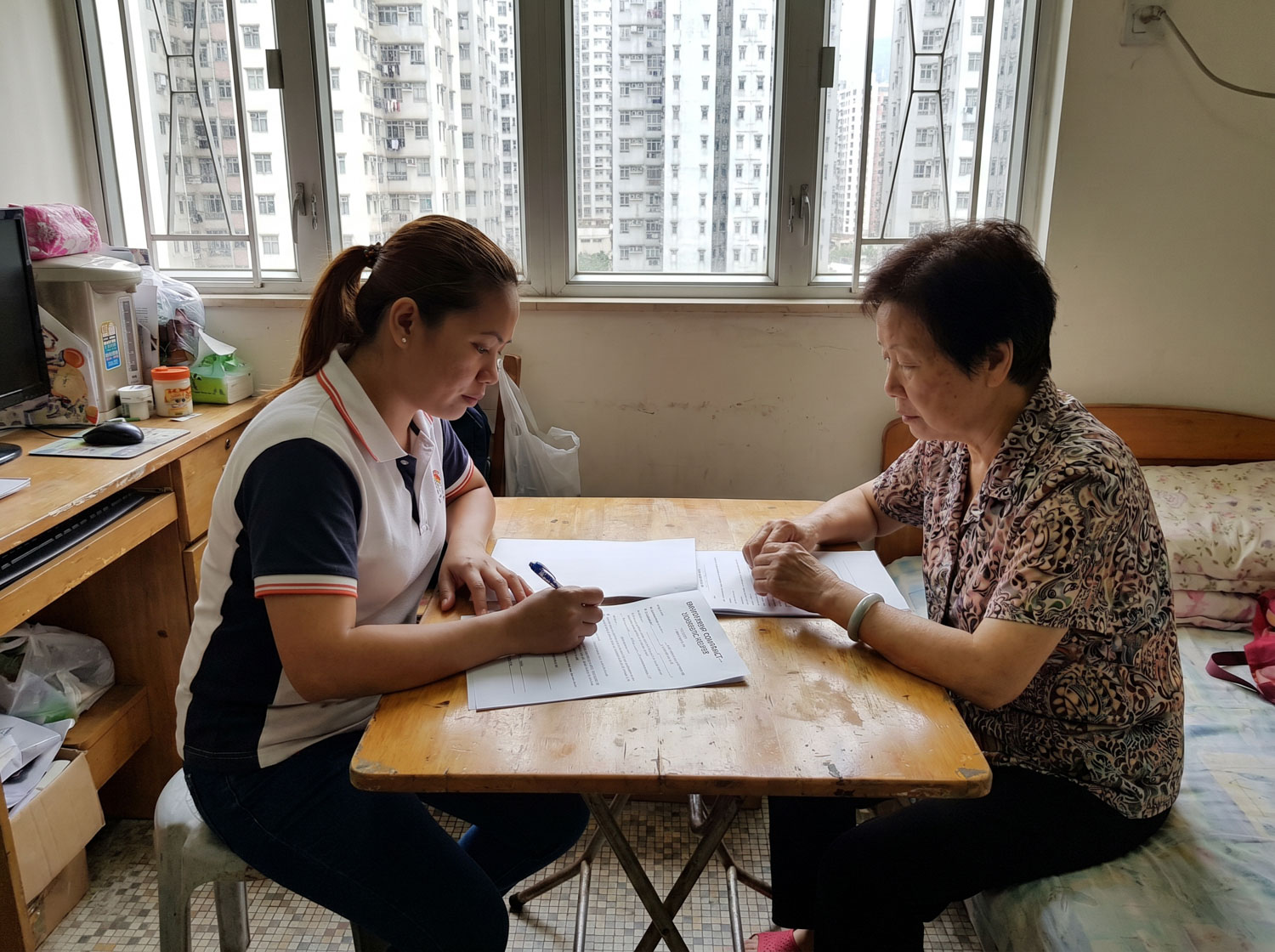
For decades, hundreds of thousands of Filipino women have left their homes to work as migrant domestic workers (MDWs) in Hong Kong, driven by the hope of providing a better future for themselves and their families.
While this provides essential financial stability, the distance and years without seeing each other create an emotional gap that deeply impacts the children left behind in the Philippines.
The most significant effect is the emotional displacement – or care drain – a term that describes a specific kind of brain drain. While brain drain refers to a country losing its skilled professionals (such as doctors or engineers), care drain refers to the impact of migrant workers leaving their home countries to perform care work, such as nannying, elder care, and housekeeping.
In doing so, they leave behind their own children and elderly parents, who are then deprived of that same care.
This care drain is often the root of the melancholy or sense of abandonment that these children feel; even if the mother sends home plenty of money, the care gap remains empty.
I have heard many stories from my fellow MDWs about their children not doing well in school, taking up alcohol or even drugs, being disrespectful and talking back at them, or even blaming the mothers for not being there and being the source of their issues.
One of my favourite scenes to witness is at the arrival hall back in Manila: hundreds of families waiting for their loved ones coming back from often long stints abroad, working as overseas Filipino workers, or OFWs. The atmosphere is buzzing
– Marites
When you have sacrificed so much of your blood, sweat, tears, and well-being, it hurts to hear your own child telling you that it is your fault that they are not succeeding in life.
On the positive side, the primary benefit is earning more money than back in our home countries. The remittances sent home from Hong Kong serve as a lifeline, ensuring that children have access to good education, three square meals a day, consistent healthcare, and improved living conditions.
For many kids, their mother’s absence is the reason they can break the cycle of poverty and pursue professional careers. Furthermore, these children often develop a high degree of independence and resilience; they learn to manage household responsibilities at a young age, and grow up with a profound appreciation for their mother’s hard work, fostering a strong sense of gratitude and a drive to succeed academically.
The migration of Filipino mothers to Hong Kong, or other countries, is a double-edged sword. While it secures the material future of the next generation, it often does so at the expense of the emotional foundation of the home. The children of these workers grow up in a state of constant loss, possessing the best resources money can buy, but lacking the one presence they crave the most.
Many children of migrant workers do become successful and live much better lives than those of their parents. And when the time comes for mama to come home for good, they can start to build stronger bonds and heal the emotional wounds brought about by homesickness and longing.
One of my favourite scenes to witness is at the arrival hall back in Manila: hundreds of families waiting for their loved ones coming back from often long stints abroad, working as overseas Filipino workers, or OFWs. The atmosphere is buzzing, with young children running around, elderly parents, husbands, wives, siblings, the whole metaphoric barangay, all anxiously waiting for the person to stroll out with suitcases and boxes stacked high on their trolley.
Coming home always makes me happy, and seeing other kababayans (countrymen) hugging their families tight is quite heartwarming. The weariness from years of toil and sadness dissipates in the sea of smiles, tears, and the knowledge that family will always be important.
Marites Palma is the founder of Social Justice for Migrant Workers, an organisation and community group that helps fellow MDWs in need, offering health programmes and livelihood workshops, and other forms of support. She has worked in Hong Kong for 20 years and is looking forward to the time when she can be with her daughter when she retires.




Leave a Reply