


The subscriber identity module – or SIM card, as it is more widely known – is ubiquitous in today’s modern world. Almost everyone has a smartphone, and every smartphone needs a SIM for it to function.
We use it for sending messages and email, accessing our online banking and e-payment apps, shopping, storing a wealth of personal data, and much more. That’s why it is so important to ensure it is secure.
Since March 2022, the Hong Kong government has implemented the mandatory Real-name Registration Programme for SIM cards. Even if you purchase a prepaid SIM card, registration through the service provider is required, either online or in their stores.
Registration is meant to regulate SIM card services provided by telecommunications companies, and more importantly, to help prevent identity theft and other types of scams.
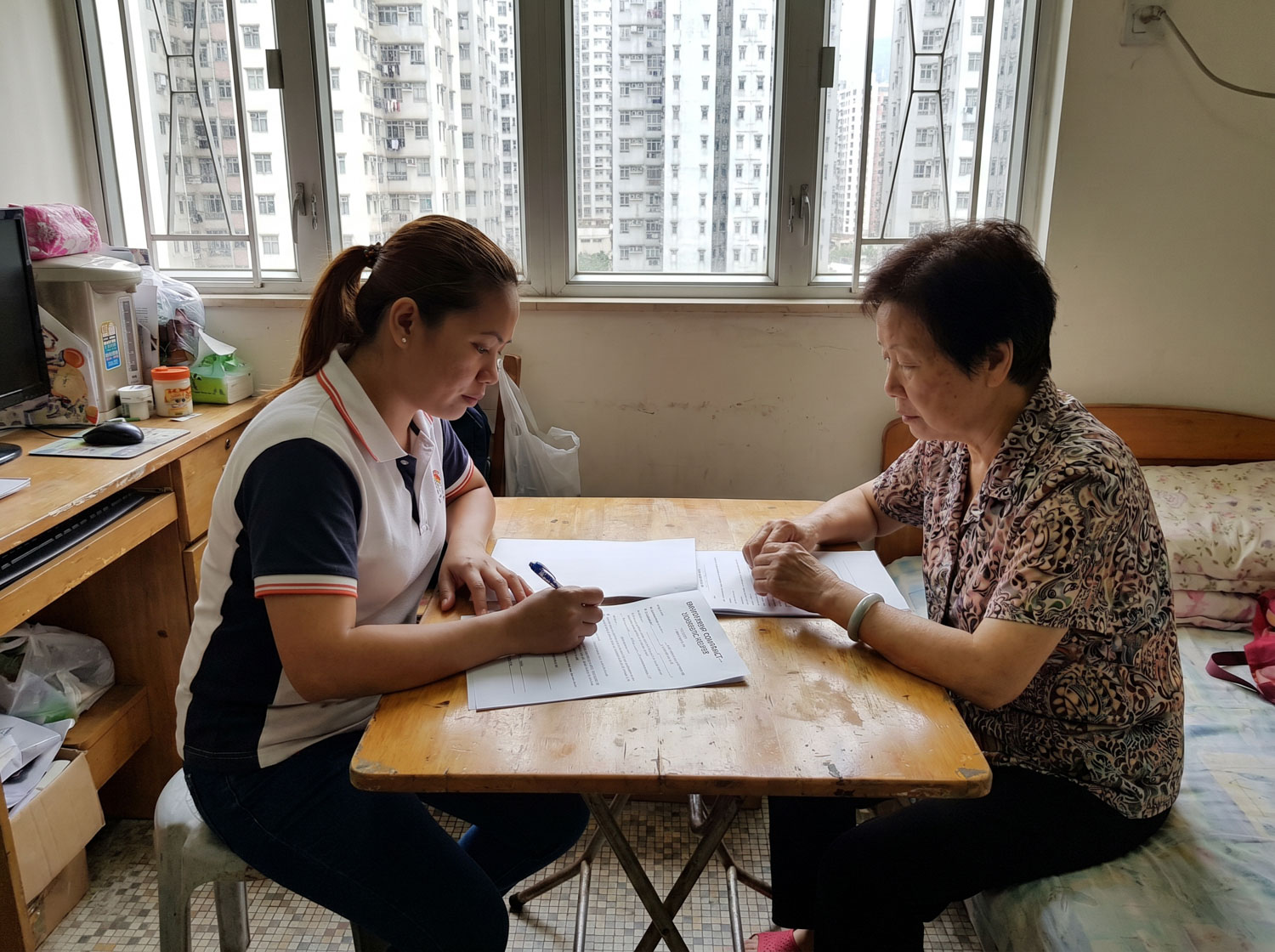
Given the risk of having been involved in something illegal and the fear of being terminated by their employers, migrant domestic workers (MDWs) who have sold their SIM cards are often reluctant to come forward and share their stories. Yuni Andarwati, an Indonesian community leader, shares, “They [MDWs] do not want to come forward because they do not want to be in trouble with their employers.”
Yuni, who also hosts a popular YouTube channel called Yuni TKW HK, talks to her followers about the dangers of selling SIM cards, noting that the consequences are not limited to the termination of their employment contract, but can also lead to being arrested, and even charged with a criminal offence.
So how can responsible citizens help with cracking down on such activities? Firstly, you should always be on your guard; if you are approached by anyone offering to purchase SIM cards registered under your name, through social media, messaging apps, or other channels, you should immediately report them to the authorities. While they may use enticing offers, like large sums of money or rewards, in exchange for your help, you have no way of knowing how your SIM card or personal data might be used and run the risk of inadvertently becoming involved in illicit and highly illegal activities.
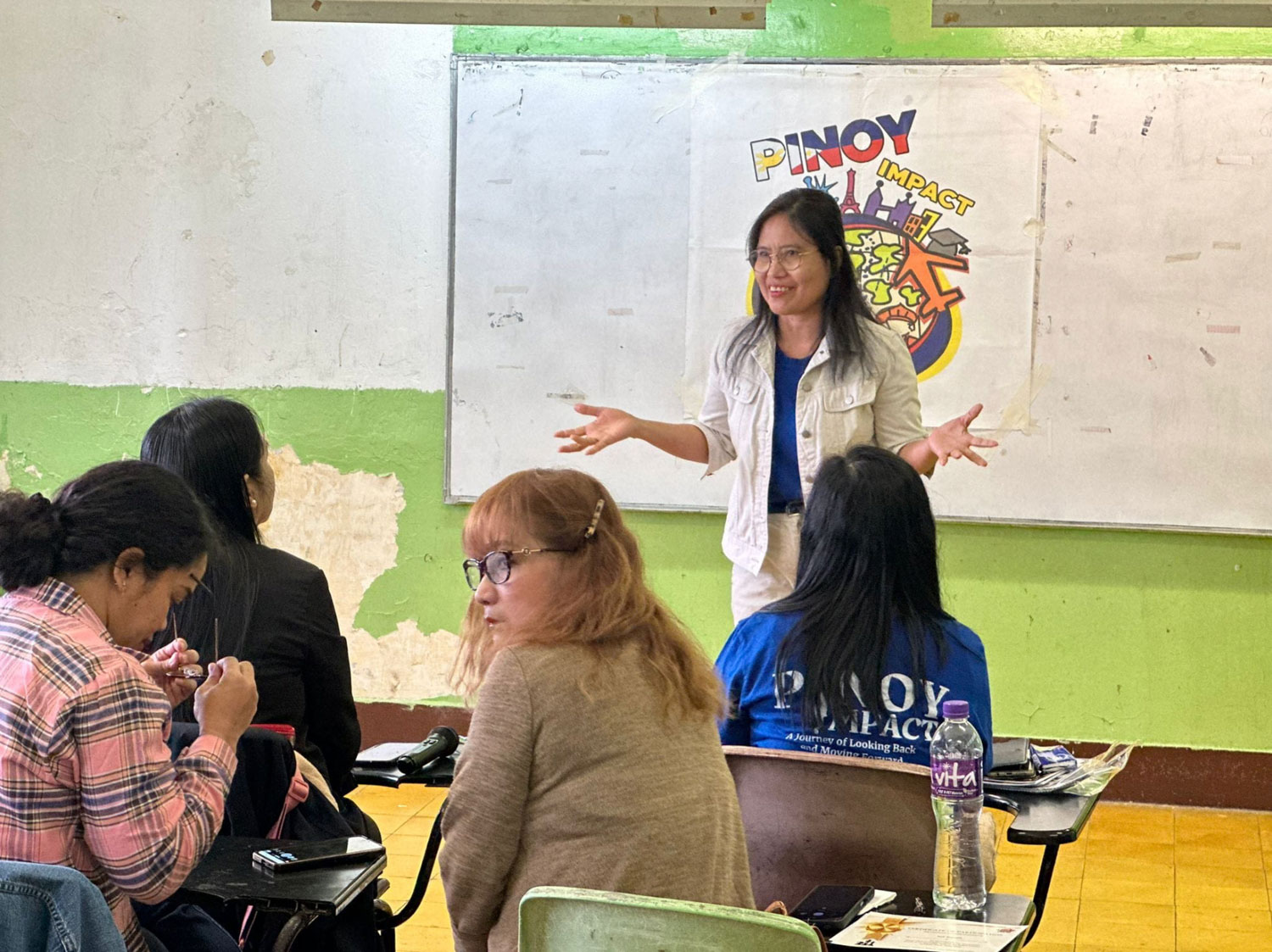
Secondly, be sure to spread the word to your friends and loved ones about the risks and dangers of SIM card selling. Some migrant workers may not even be aware that such activities are illegal, or that they are putting their work and themselves in jeopardy by getting involved, so by educating them, they will be better informed and better positioned to keep themselves out of harm’s way.
SIM card registration is an important tool to help authorities track down and apprehend criminals who make use of SIM cards for illegal activities. Ensuring that SIM cards are registered to their rightful owners in the first place can help prevent their misuse for criminal purposes. SIM card crime prevention starts with you.

What illegal activities do criminals use SIM cards for, and why do they try hard to obtain these from unsuspecting victims?
Fraud: Scammers can use stolen or fraudulently obtained SIM cards to conduct various types of fraud, such as identity theft, phone and romance scams, and financial fraud. They message victims through these SIM cards which they can easily dispose of once they have defrauded the victims
Harrassment and stalking: Stalkers may use SIM cards to harass or stalk individuals, by making threatening phone calls or sending abusive messages. Tracing these offenders is difficult since they often use illegally obtained SIM cards
Cybercrime: Culprits may use SIM cards to access and control mobile devices remotely, enabling them to steal personal information, hack accounts, and engage in other types of cybercrime. There has been a rise in cybercrimes due to the ease of moving money around through online banking, digital currency, and other e-payment platforms
Organised crime: Criminal organisations may use SIM cards to communicate and coordinate criminal activities, such as drug trafficking, human trafficking, and terrorism. They send each other messages without fear of reprimand since the SIM cards are not registered under people in their organisation







Leave a Reply