

“Being compassionate and respectful is not written in our employment contracts, and this is something that we hope would be the norm for all employers,” says Marites Palma, an Isabela native who founded Social Justice for Migrant Workers (SJMW), a community group run by migrant domestic workers (MDWs) to help and support their peers.
Founded at the start of the COVID pandemic in May 2019, Marites’ aim was to help her fellow MDWs who were struggling with life abroad. “Marami kasi akong na-eencounter na mga kababayan na may mga problema sa amo – either sexual or physical abuse, illegal termination, at iba pa,” [I have encountered a lot of fellow MDWs who had problems with their employers – sexual and physical abuse, illegal termination, and many other problems] shares Marites. “Kaya naisip ko sa sarili ko, paano ko kaya sila matutulungan?” [So I thought to myself, how can I help them?]
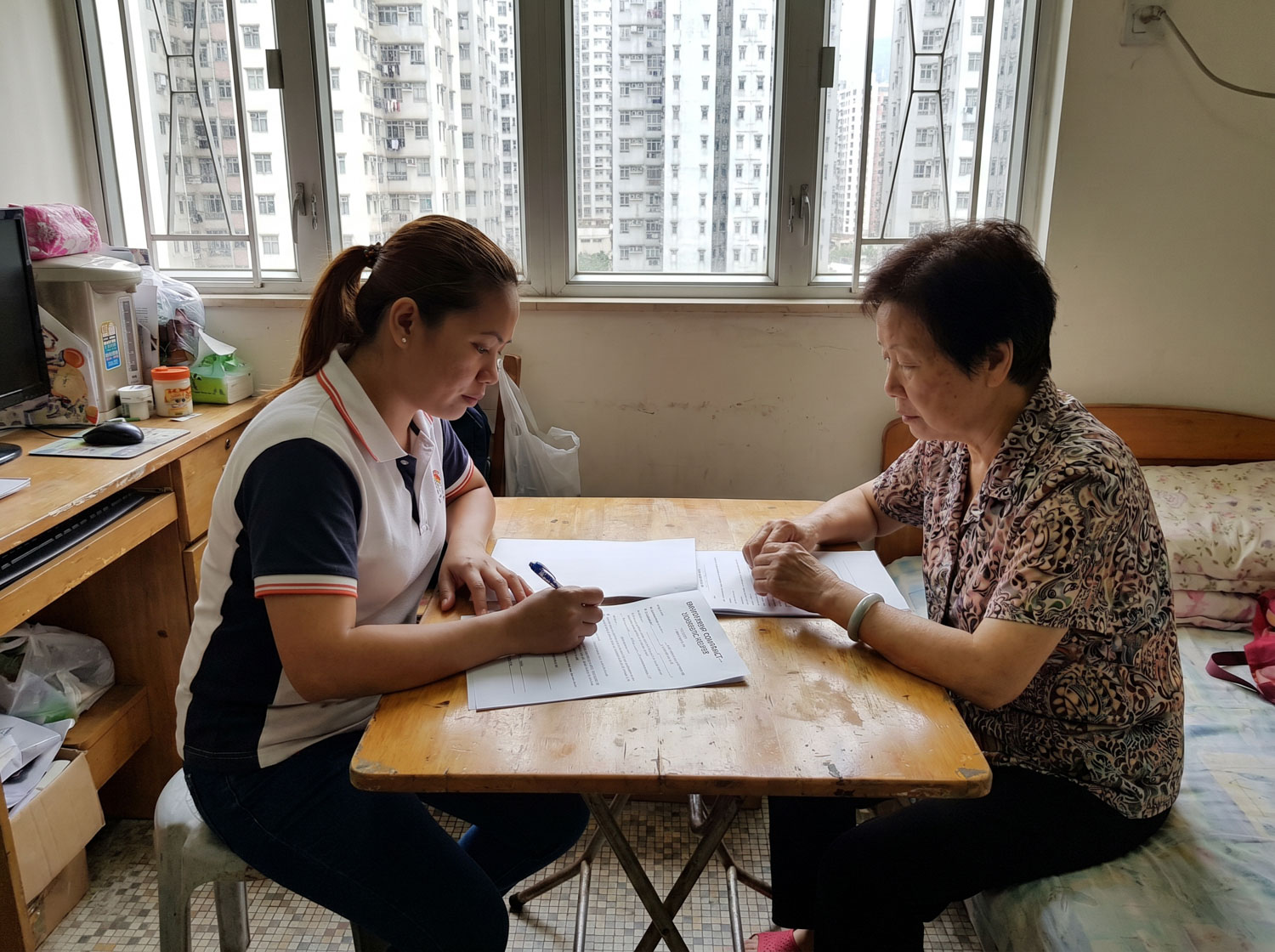
Facebook tends to be the preferred social media outlet for migrant workers in Hong Kong, and this is where SJMW connect with the community. Through this platform, Marites and her administrators offer support to those in need of help, pointing them in the right direction for legal advice, counselling, and even sometimes medical assistance.
What I want for all employers is to treat their domestic workers fairly. Labour laws in Hong Kong are here to protect us, but it doesn’t say anything about being compassionate. Don’t shame us in public, give us enough food, give us enough rest – with these basic things, we can avoid feeling unwell, both physically and mentally. Employers don’t have to treat us like family, they just have to treat us like human beings
– Marites Palma, founder of Social Justice for Migrant Workers


They help address issues related to employment disputes, worker welfare, and labour rights through their network of government, non-government, and private organisations. “Nakakatanggap kami ng hundreds na mga messages galing sa aming mga members na humihingi ng tulong kada lingo,” [We receive hundreds of messages from our members asking for help every week] notes Marites.
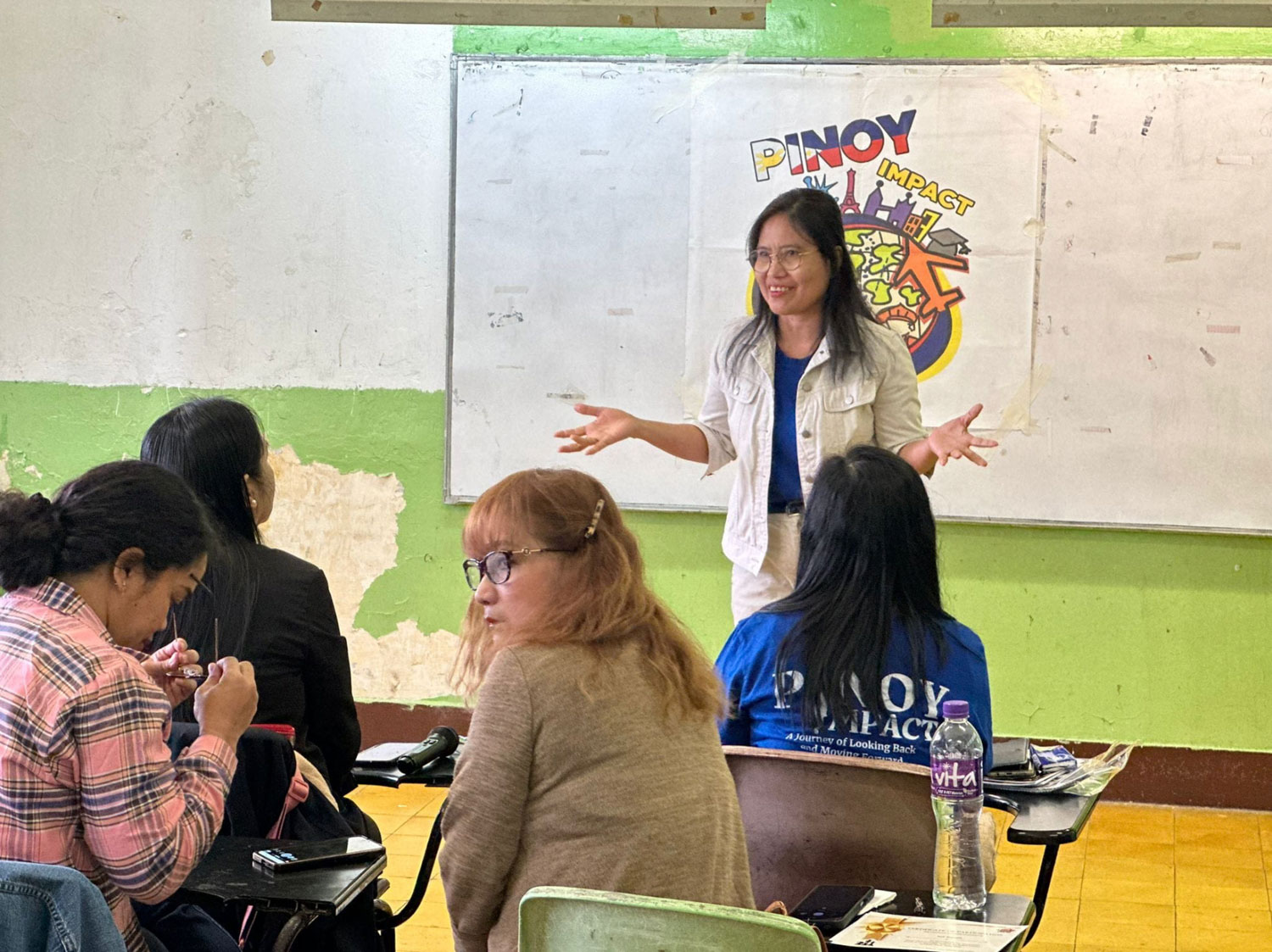
Enriching one’s skills and knowledge is also an important part of SJMW. With the help of their connections, they help publicise workshops, seminars, and training programs on a variety of topics such as financial literacy and mental health. These aim to equip MDWs with the tools for both for personal growth and for helping their peers in times of need.
And it never hurts to be given a little push in the right direction: “Ninominate ako ni Marie Kretz De Meglio CEO ng NGO na Uplifters para maging Resolve fellow noong 2019. Noong natapos ko yung kanilang leadership training, doon ko naisip kung ano ang pwede kong gawing project para makatulong sa kapwa, saka ko naisip buoin ang Social Justice for Migrant Workers,” [I was nominated to be a Resolve fellow by Marie Kretz De Meglio, CEO of Uplifters, in 2019. When I finished my leadership training, I thought about a project that could help my fellow workers. That’s how Social Justice for Migrant Workers started] shares Marites.


“Kahit ngayong nabuo ko na ang SJMW, tuloy tuloy pa din ang pagsali ko ng mga workshops at seminars. Gusto ko talagang matuto, kasi naibabalik ko din naman sa community ko.” [Even now that I have put together SJMW, I still join workshops and seminars, when I can. I love learning, because through learning, I can give it back to my community.]
This is one of Marites’ goals, to encourage her fellow migrant workers to join these free workshops, seminars, and classes that are offered by reputable organisations. “Mas maganda yung maglaan sila ng konting oras kapag day off nila para sumali sa mga ganitong mga workshops,” [It is better if they spare a little bit of their time during their days off to join these useful workshops] she says.
Asked whether she has a message for employers of MDWs in Hong Kong, Marites shares, “What I want for all employers is to treat their domestic workers fairly. Labour laws in Hong Kong are here to protect us, but it doesn’t say anything about being compassionate. Don’t shame us in public, give us enough food, give us enough rest – with these basic things, we can avoid feeling unwell, both physically and mentally. Employers don’t have to treat us like family, they just have to treat us like human beings.”







Leave a Reply