


Dewi was having a tough month. On top of the regular remittance she sends home to cover her family’s utility bills and groceries in Indonesia, ad hoc expenses were piling up: a weekend school trip for her son, unexpected medical bills for her mother, and a leaking roof in desperate need of repair.
For many migrant workers, this story is painfully familiar: unforeseen expenses pushing their finances into the red. To cover the shortfall, some resort to borrowing money, pawning jewellery, or even selling family land back home. It is in these desperate moments, however, that you must be most on guard, as unscrupulous criminals are always ready to exploit those who are most vulnerable.
“I confided in a friend about my money troubles,” Dewi shares. “She gave me a contact – someone who could offer quick cash in exchange for ‘borrowing’ my bank account. She explained it was easy: a person would deposit money into my account, and I would then transfer it to a different one. They would pay me for every transaction, and I could even sell them the whole account if I needed more cash, letting them run it themselves.”
These bank accounts obtained by criminals are known as “stooge” or “money mule” accounts. While recruiters often target people through telemarketing, social media, or messaging apps, their approach within the migrant domestic worker community tends to be more personal – relying on word of mouth. Here, scammers may even pay individuals a commission for recruiting friends, many of whom remain unaware of the severe legal and financial consequences.
Operating a “stooge” account is a serious offence under Hong Kong law, as it facilitates money laundering and the movement of illegal funds. Under the Organised and Serious Crimes Ordinance (OSCO), account holders face severe penalties, including fines of up to HKD 5 million and imprisonment for up to 14 years.
It is critical to understand the source of these funds: the majority are linked to serious criminal activities such as drug trafficking, scam operations, extortion, and human trafficking. Recognising the truly nefarious motivations behind these schemes is the first step in avoiding becoming an unwitting accomplice –
and a victim.
“I have heard on the news about fellow migrant domestic workers being caught, so I told my friend that it is not a good idea and could get us into big trouble with the law. Even if I am struggling with my expenses, I do not want to break the law. That would cause me even bigger problems!” Dewi exclaims.
In the first eight months of 2025, a total of 4,906 people were arrested for fraud and money laundering offences; around 70% of these arrestees were stooge account holders. According to 2024 government reports, more than 32,000 bank accounts were frozen, and approximately HK$160 million in fraudulent funds were intercepted during police operations.
Furthermore, between November 2024 and April 2025, at least 170 bank accounts linked to migrant domestic workers were used to launder over HK$10 million in illicit funds.
“I asked my sister back in Indonesia to lend me money to help me through that month. I paid her back as soon as I got my finances in order. I was so stressed out – I couldn’t sleep, worrying about where I’d get the cash. I know a lot of friends here in Hong Kong who have been through the same thing,” Dewi says. “Having the support of my family and friends has been vital. It helped me get through the tough times, and I’m so glad I didn’t resort to more desperate – and illegal – measures.”
The life of a migrant worker is already challenging – emotionally, mentally, and physically. Common struggles with homesickness, fatigue, anxiety, and depression are compounded by the constant stress of financial worry, making migrant domestic workers prime targets for stooge account recruiters.
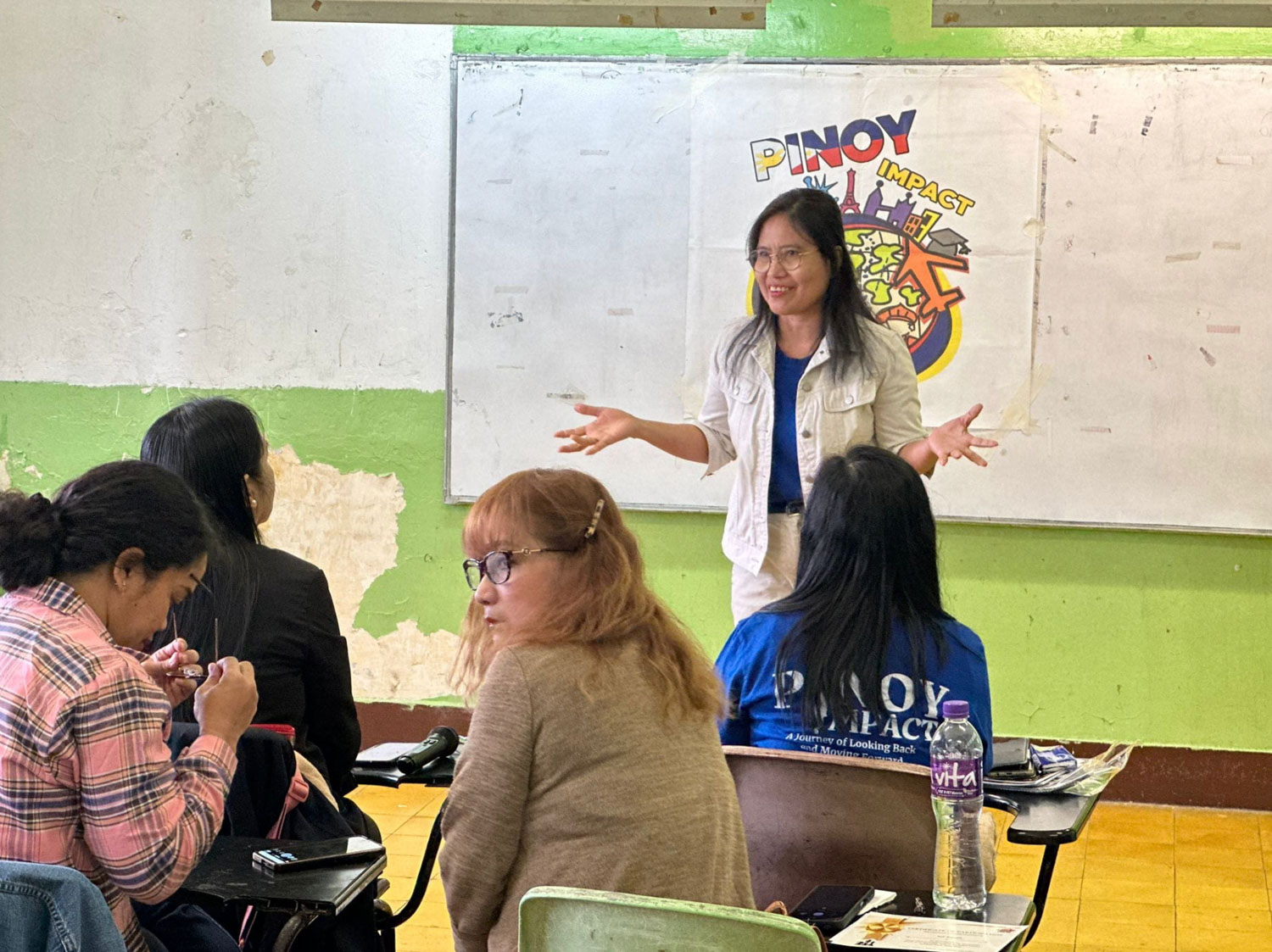
This is why vigilance and community awareness are so critical. By staying informed, sharing knowledge about these scams, and supporting one another, workers can protect themselves and their peers from becoming unwitting tools for crime.
Protect your accounts: Never rent, lend, sell, or share your bank account, online banking login, or personal information.
Be sceptical: Be suspicious of unsolicited offers for quick money, jobs, or investments, especially those promising high returns or requiring you to use your account for “processing” funds.
Verify identities: If contacted by someone claiming to represent a bank or organisation, end the call. Verify their identity by calling back on a number from the official website.
Safeguard personal data: Don’t share sensitive info, biometric data (fingerprints/face ID), or click links in suspicious emails or texts.







Leave a Reply