

Travelling to and from Colombo and Hong Kong several times a year, Nifraz Rifaz is as comfortable in the Fragrant Harbour these days as he is back home in Sri Lanka. Besides being a seasoned traveller, Nifraz is a leader in Corporate Communications, a published author, performer, radio presenter, volunteer with non-governmental organisations (NGOs), and a collaborator with corporate organisations.
Even with all his accomplishments and his possession of a Hong Kong passport, Nifraz sometimes still experiences racism – oftentimes subtle, occasionally overtly. Such experiences have given him a personal insight into furthering diversity and equality through communication and through his current focus: writing.
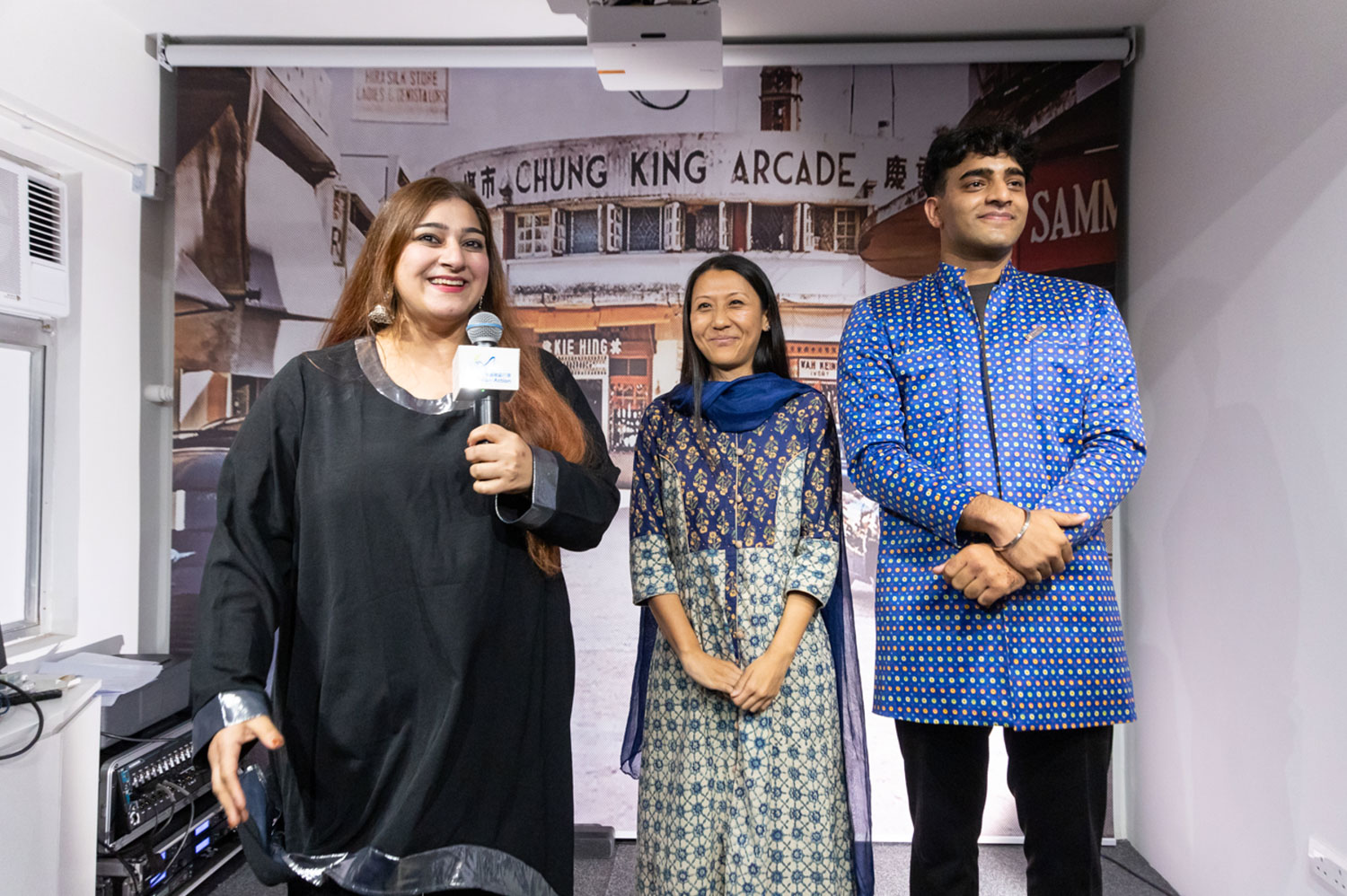
“I travelled back to Hong Kong a few weeks ago for the Hong Kong Writers Circle’s 20th Anniversary Anthology, where my latest short story, The Business Trip, is featured in their anthology, Score,” says Nifraz.

“My story details the encounters of a Sri Lankan business executive during a 3-day business trip to Hong Kong – including meeting a Sri Lankan domestic worker – which makes him rethink his life choices. It explores themes of class, race, migration, power, economic and social imbalance, duality in immigration, prejudic, and the role of ethnic minorities in Hong Kong from a South Asian business traveller’s point of view. It also scores how simple human qualities and emotions like grit and kindness supersede everything. I’m really proud to write this story at this point,” he shares.
I have always loved writing, even when I was very young. There is something powerful that can be found in words; they can shape stories, tell certain narratives, and influence people’s perceptions
Nifraz Rifaz
By sharing his stories and experiences, Nifraz helps raise awareness about the issues marginalised communities can face and challenges societal norms. Writing serves as a powerful tool for advocacy, allowing individuals to document injustices and call for change.
Many NGOs like PathFinders and Uplifters, and community groups like Migrant Writers of HK and Horizons, use writing as a way for migrant women to cope with not only negative feelings like stress, anxiety, and heartbreak, but also positive emotions like joy, triumph, and resilience.
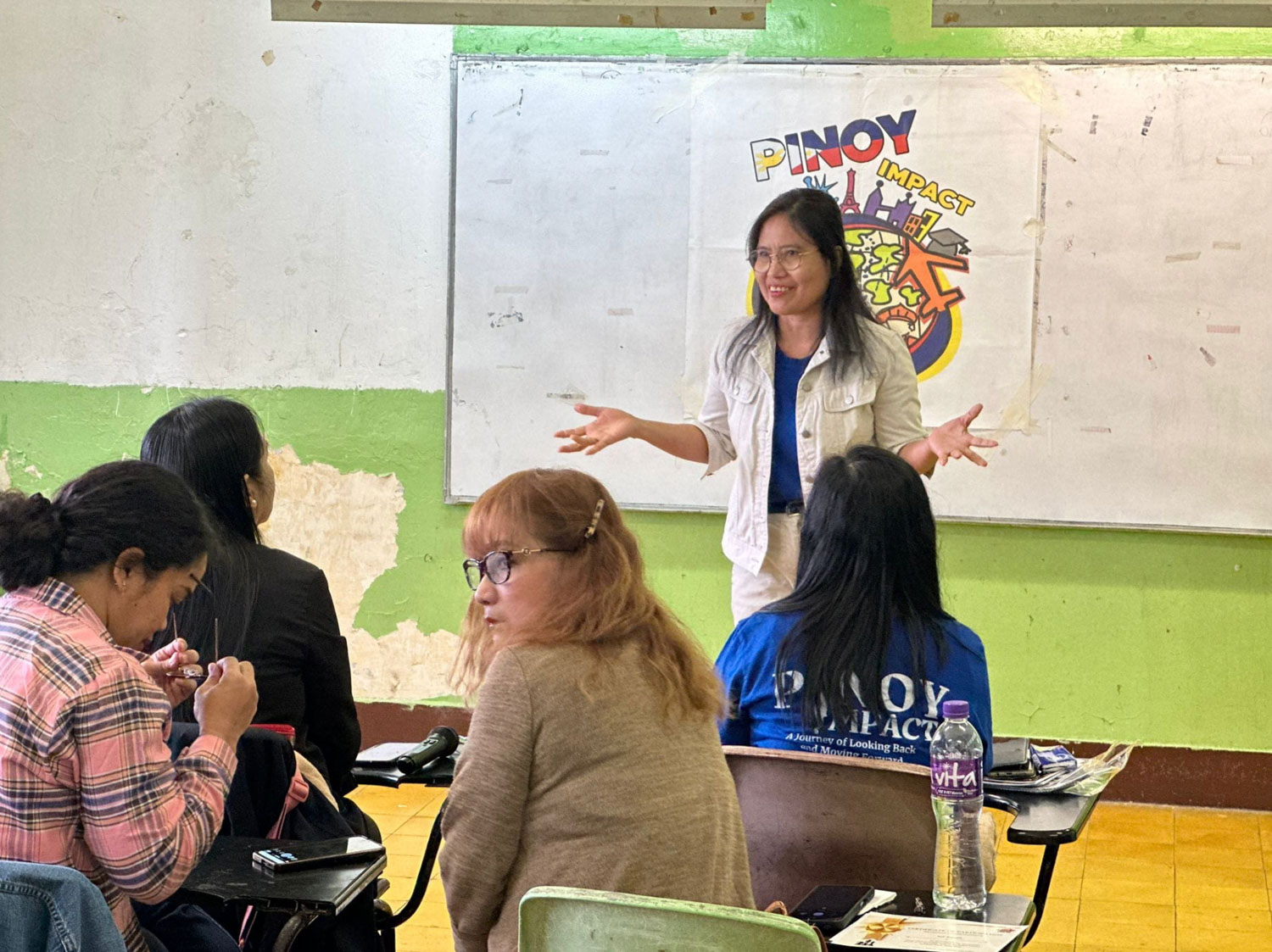
A few weeks ago, Nifraz was invited by HELP for Domestic Workers and Resolve Foundation to lead a workshop on how effective communication can help migrant workers foster stronger and more meaningful relationships with their employers and the wider community.
“We touched on topics about courage, how to have a proper conversation with their employers, how to say no to family members asking for money, and ways to reconnect with loved ones,” shares Nifraz. “Everyone was very attentive and you can see that communication is such an important skill that these women want to learn – the question and answer portion at the end was quite lively!” he exclaims.
There are numerous benefits of putting your thoughts down on paper: it can improve mood, provide clarity, reduce stress levels, foster creative thinking, evoke feelings of gratitude, aid memory and learning, and help to organise your emotions. Writing regularly improves your brain’s ability to communicate, regardless of whether you’re explaining a scientific concept, describing a work process, or expressing your feelings. If you are contemplating a complex idea or having trouble explaining something, try writing it down; you’ll find the process will aid your verbal communication of the subject as well.
So, how does Nifraz find inspiration for his stories? “Writing is all about sharing your experiences. For me, it is 33% direct experience, 33% other people’s experiences – the rest is creativity and imagination,” he smiles.
“I want to encourage everyone to do something creative, something that stimulates you. Follow your creative passion, be it blogging, photography, or other hobbies, if it interests you and makes you grow as a person,” adds Nifraz.
“I have always loved writing, even when I was very young. There is something powerful that can be found in words; they can shape stories, tell certain narratives, and influence people’s perceptions. Writing is very therapeutic for me. There is a certain sense of freedom I get when expressing my thoughts, that is why I love writing so much. From writing about civil war to immigration, from fiction to the migrant experience, I feel liberated when I write.”







Leave a Reply